
Evolution not Revolution: Strategy, Learning, and Evaluation in The California Endowment’s Building Healthy Communities Initiative
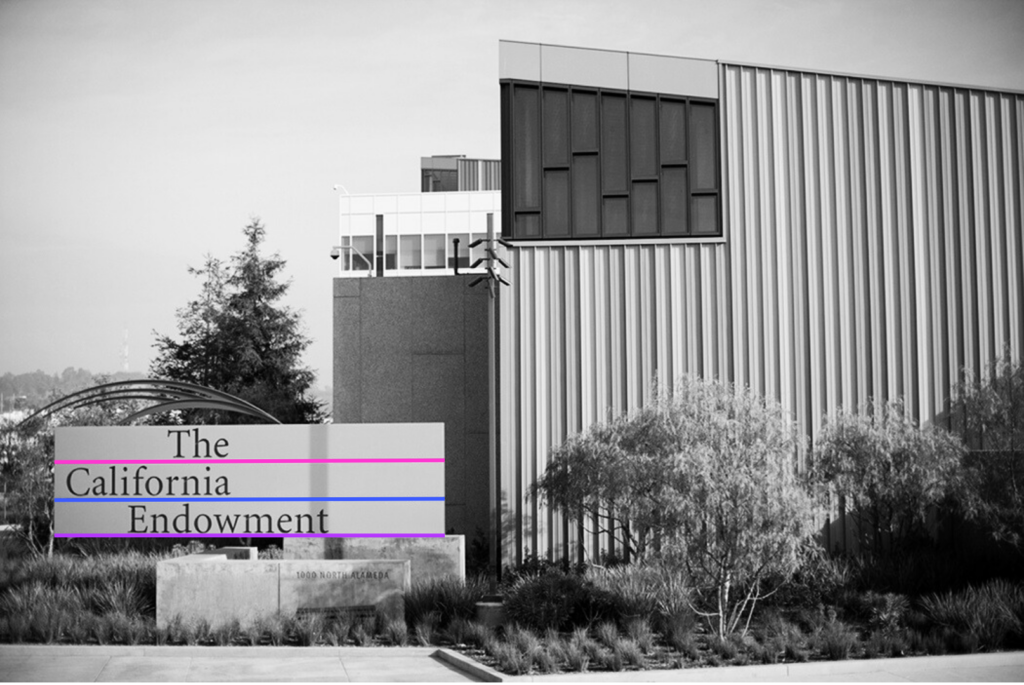
This teaching case focuses on how learning and evaluation can guide those in philanthropy seeking to rise to the demands of more inclusive approaches to social change, especially with communities that have been historically marginalized.
When Opportunity Knocks, Open the Door: Evaluation Amidst Transition at the Colorado Health Foundation

The Colorado Health Foundation experienced multiple organizational transitions in a short period of time, including two strategy redesigns, culture and values shifts, new expectations and assumption about roles and performance, and a new CEO. This teaching case invites reflection on the role of evaluation staff and consultants amidst the uncertainty and ambiguity of organizational change.
Addendum to On the Other Side of Complexity: The McKnight Foundation’s Collaborative Crop Research Program

This addendum makes clarifications to the teaching case of The McKnight Foundation’s Collaborative Crop Research Program and its evaluation. It adds detail on the program’s developmental evaluation.
On the Other Side of Complexity: The McKnight Foundation’s Collaborative Crop Research Program

Under the direction of a new president, The McKnight Foundation embarked on a process to imbue learning at every level of one of its signature international programs: the Collaborative Crop Research Program (CCRP). This teaching case explores the creation, implementation, and ongoing refinement of an evaluation and learning approach for CCRP from 2008 to 2017.
The Shaping of Evaluation at the William and Flora Hewlett Foundation

This teaching case tells the story of the evolution of the evaluation function at the Hewlett Foundation from 2000 to 2015. It is as much the story of how one foundation’s culture shaped that evolution as it is how key leaders influenced the use of evaluation.
First Among Equals: The Evaluation of the McConnell Foundation Social Innovation Generation Initiative

This teaching case explores both the real and potential evaluation of a foundation strategy focused on social innovation in Canada.
Evaluation of the David and Lucile Packard Foundation’s Preschool for California’s Children Grantmaking Program

This teaching case focuses on an evaluation that aimed for real-time strategic learning over the course of a 10-year initiative. It chronicles the challenges with achieving that while the strategy shifted and evaluators grappled with how to provide information that was of real value to the work.
Measuring Change while Changing Measures: Learning in, and from, the Evaluation of Making Connections

Making Connections was an ambitious, multi-site, decade-long community change effort supported by the Annie E. Casey Foundation. It started in 1999 and aimed to improve outcomes for vulnerable children by transforming their neighborhoods. This teaching case focuses on the evaluation choices and challenges of this long-term comprehensive community change initiative.
Death Is Certain. Strategy Isn’t.

For many in philanthropy, the word “strategy” has come to imply a de rigueur set of formal and sequential steps: research, analysis and development of a theory of change, and identification and tracking of outputs and outcomes. This teaching case about the Robert Wood Johnson Foundation’s work to improve end‐of‐life care in America is about an alternative approach to linear conceptions of strategy.
Looking for Shadows: Evaluating Community Change in the Plain Talk Initiative

The 1990s marked the beginning of a shift by large national foundations from mainly programmatic investments to a deeper engagement in long-term, complex community change. This teaching case explores the evaluation of a large multi-city comprehensive community initiative, funded by the Annie E. Casey Foundation, that sought to make contraceptives available to sexually active youth to reduce pregnancy and sexually-transmitted diseases.